Nature-Based Learning Benefits for Early Childhood Development
- readysetgrowme
- Jun 25
- 4 min read
In an age where screens dominate our children's lives, the importance of connecting with nature has never been more crucial. Nature-based learning offers a unique approach to early childhood development that not only nurtures a child's curiosity but also fosters essential skills for their growth. This blog post explores the myriad benefits of nature-based learning and how it can significantly impact early childhood development.
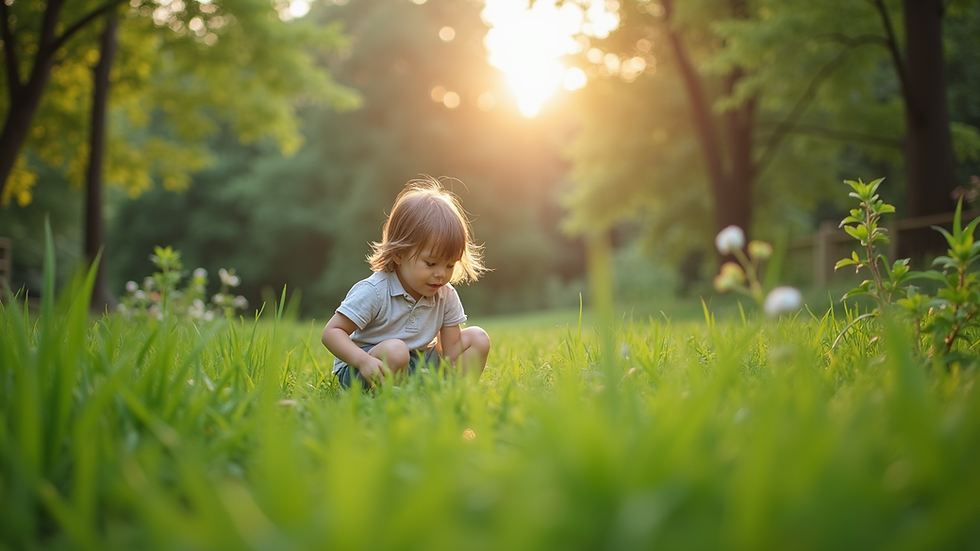
Understanding Nature-Based Learning
Nature-based learning refers to educational experiences that take place in natural environments. This approach emphasizes hands-on, experiential learning, allowing children to explore, discover, and interact with the world around them. By immersing children in nature, educators can create a rich learning environment that promotes cognitive, emotional, and social development.
Key Principles of Nature-Based Learning
Experiential Learning: Children learn best through direct experiences. Nature provides endless opportunities for exploration and discovery.
Holistic Development: Nature-based learning supports physical, emotional, social, and cognitive growth.
Connection to the Environment: Children develop a sense of responsibility and care for the environment through their interactions with nature.
The Benefits of Nature-Based Learning
Enhances Cognitive Development
Nature-based learning stimulates children's curiosity and encourages critical thinking. When children explore their surroundings, they engage in problem-solving and decision-making. For example, a child observing a caterpillar transforming into a butterfly learns about life cycles, biology, and the importance of ecosystems.
Observation Skills: Children learn to observe details in their environment, enhancing their ability to notice changes and patterns.
Scientific Inquiry: Nature encourages questions. Children learn to ask "why" and "how," fostering a scientific mindset.
Promotes Physical Health
Spending time outdoors is linked to numerous physical health benefits. Nature-based learning encourages children to be active, which is essential for their growth and development.
Gross Motor Skills: Climbing trees, running on grass, and jumping over logs help develop coordination and strength.
Fine Motor Skills: Activities like digging in the soil or picking flowers enhance dexterity and hand-eye coordination.
Supports Emotional Well-Being
Nature has a calming effect on children, reducing stress and anxiety. Engaging with nature can help children develop emotional resilience.
Stress Reduction: Natural settings provide a peaceful environment that can lower cortisol levels, promoting relaxation.
Emotional Expression: Nature allows children to express their feelings freely, whether through play or exploration.
Fosters Social Skills
Nature-based learning often involves group activities, which can enhance social interactions among children. Working together in a natural setting encourages teamwork and communication.
Collaboration: Children learn to work together to achieve common goals, such as building a fort or planting a garden.
Conflict Resolution: Outdoor play provides opportunities for children to navigate conflicts and develop negotiation skills.
Encourages Creativity and Imagination
Nature is a boundless source of inspiration. When children play outdoors, they are free to use their imagination, leading to creative thinking.
Open-Ended Play: Natural materials like sticks, stones, and leaves can be transformed into anything a child imagines, from a spaceship to a castle.
Storytelling: Nature provides a backdrop for storytelling, allowing children to create narratives based on their experiences.
Implementing Nature-Based Learning in Early Childhood Education
Creating a Nature-Friendly Curriculum
Educators can integrate nature-based learning into their curriculum by designing activities that encourage outdoor exploration. Here are some ideas:
Nature Walks: Organize regular walks in local parks or nature reserves, allowing children to observe and discuss their findings.
Gardening Projects: Involve children in planting and caring for a garden, teaching them about responsibility and the growth process.
Nature Journals: Encourage children to keep journals where they can draw or write about their outdoor experiences.
Collaborating with Parents
Engaging parents in nature-based learning can enhance its effectiveness. Educators can provide resources and suggestions for outdoor activities that families can do together.
Family Nature Days: Organize events where families can explore nature together, fostering a community of nature enthusiasts.
Home Projects: Suggest simple projects, like creating a backyard habitat for wildlife, that families can undertake together.
Overcoming Challenges
While the benefits of nature-based learning are clear, there may be challenges in implementation. Here are some strategies to address common obstacles:
Safety Concerns: Ensure that outdoor spaces are safe and well-maintained. Educate children about safety rules while exploring.
Weather Conditions: Plan activities that can be adapted to different weather conditions, ensuring that children can engage with nature year-round.
Real-Life Examples of Nature-Based Learning
Case Study: The Forest School Movement
The Forest School movement originated in Scandinavia and has gained popularity worldwide. These schools emphasize outdoor learning, allowing children to explore forests and natural environments regularly. Research shows that children in Forest Schools demonstrate improved social skills, emotional resilience, and a strong connection to nature.
Local Initiatives
Many communities have embraced nature-based learning through local initiatives. For example, community gardens and nature trails provide children with opportunities to engage with their environment. Schools that partner with local parks can offer field trips that enhance the learning experience.
Conclusion
Nature-based learning is a powerful approach to early childhood development that offers numerous benefits. By connecting children with the natural world, we can foster their cognitive, emotional, and social growth. As educators and parents, we have the opportunity to create enriching experiences that will shape the next generation's relationship with nature.
Encouraging children to explore, discover, and learn in natural settings not only supports their development but also instills a lifelong appreciation for the environment. Let’s embrace nature-based learning and watch our children thrive.


Comments