Outdoor Education: Why It Matters for Young Learners
- readysetgrowme
- Jun 25
- 4 min read
Outdoor education is more than just a trend; it’s a vital component of a well-rounded education for young learners. As children spend more time indoors, often glued to screens, the importance of outdoor experiences becomes increasingly clear. Engaging with nature not only enhances learning but also fosters personal growth, social skills, and environmental awareness. This blog post explores the significance of outdoor education, its benefits, and practical ways to incorporate it into learning environments.
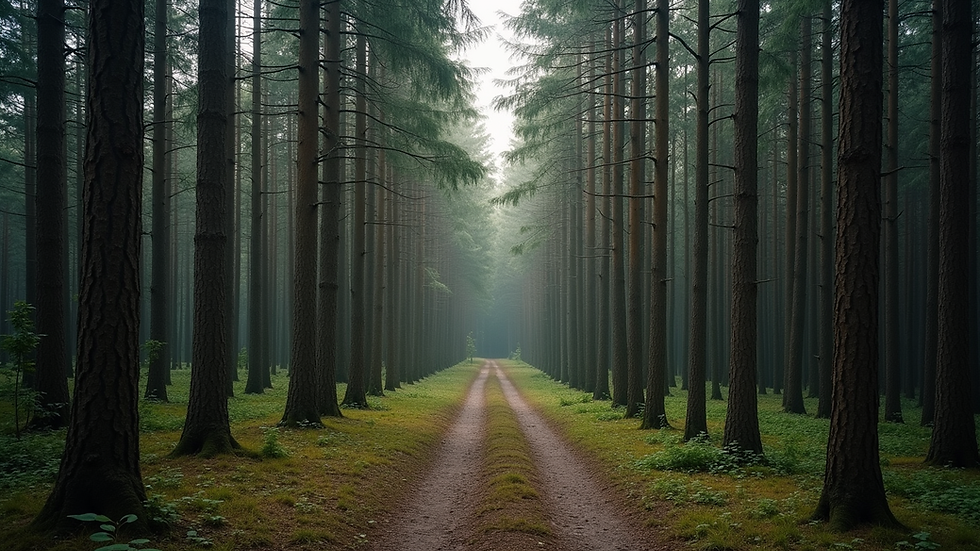
Understanding Outdoor Education
Outdoor education refers to learning experiences that take place outside the traditional classroom setting. This can include activities such as hiking, camping, gardening, and nature walks. The goal is to connect students with the natural world, encouraging them to explore, discover, and learn in a hands-on manner.
The Roots of Outdoor Education
The concept of outdoor education has been around for decades, with roots in the philosophies of educators like John Dewey and Kurt Hahn. Dewey emphasized experiential learning, while Hahn founded the Outward Bound program, focusing on character development through outdoor challenges. Today, outdoor education continues to evolve, integrating modern educational practices with the timeless benefits of nature.
Benefits of Outdoor Education
Enhancing Academic Performance
Research shows that outdoor education can significantly improve academic performance. Studies indicate that students who participate in outdoor learning experiences often score higher in subjects like science and math. This is attributed to the hands-on nature of outdoor activities, which can make complex concepts more tangible.
Real-world applications: Learning about ecosystems in a forest or studying weather patterns outdoors helps students understand and retain information better.
Increased engagement: Outdoor settings can spark curiosity and motivation, making learning more enjoyable.
Promoting Physical Health
In an age where childhood obesity is a growing concern, outdoor education encourages physical activity. Engaging in outdoor activities helps children develop motor skills, coordination, and overall fitness.
Active play: Activities like climbing, running, and exploring promote a healthy lifestyle.
Connection to nature: Spending time outdoors can also reduce stress and anxiety, contributing to better mental health.
Fostering Social Skills
Outdoor education often involves group activities that require teamwork and communication. These experiences help children develop essential social skills.
Collaboration: Working together on projects or challenges fosters a sense of community and belonging.
Conflict resolution: Navigating group dynamics in outdoor settings teaches children how to resolve conflicts and work through differences.
Building Environmental Awareness
Understanding the environment is crucial for the next generation. Outdoor education instills a sense of responsibility and stewardship for the planet.
Hands-on learning: Activities like planting trees or cleaning up local parks teach children about conservation and sustainability.
Connection to nature: Experiencing nature firsthand helps children appreciate its beauty and fragility.
Practical Ways to Incorporate Outdoor Education
Nature Walks and Hikes
Organizing regular nature walks or hikes can be an excellent way to introduce outdoor education. These excursions allow students to observe local flora and fauna, learn about ecosystems, and engage in physical activity.
Observation skills: Encourage students to take notes or draw what they see, enhancing their observational skills.
Discussion: Use these outings as opportunities to discuss environmental issues or scientific concepts.
Gardening Projects
Starting a school garden can provide a hands-on learning experience that encompasses various subjects, from science to art.
Science lessons: Students can learn about plant biology, ecosystems, and the importance of pollinators.
Nutrition education: Gardening can also teach children about healthy eating and where their food comes from.
Outdoor Classroom Activities
Transforming a portion of the schoolyard into an outdoor classroom can create a dynamic learning environment.
Interactive lessons: Conduct lessons outside whenever possible, using the natural surroundings as a backdrop for learning.
Creative projects: Encourage students to create art or write stories inspired by their outdoor experiences.
Adventure-Based Learning
Incorporating adventure activities like rock climbing, canoeing, or zip-lining can provide unique learning opportunities.
Skill development: These activities build confidence, resilience, and problem-solving skills.
Team building: Adventure-based learning often requires teamwork, fostering camaraderie among students.
Challenges and Considerations
While outdoor education offers numerous benefits, it also comes with challenges that educators must navigate.
Safety Concerns
Safety is a primary concern when conducting outdoor activities. Educators must ensure that all activities are age-appropriate and that proper safety measures are in place.
Risk assessment: Conduct thorough risk assessments before any outdoor activity.
Supervision: Ensure adequate adult supervision during outdoor excursions.
Weather Conditions
Weather can be unpredictable, and educators must be prepared for various conditions.
Flexible planning: Have backup plans for indoor activities in case of inclement weather.
Dress appropriately: Teach students the importance of dressing for the weather to ensure their comfort and safety.
Accessibility
Not all students may have equal access to outdoor experiences, whether due to physical limitations or lack of resources.
Inclusive activities: Design activities that accommodate all students, ensuring everyone can participate.
Community partnerships: Collaborate with local organizations to provide resources and support for outdoor education initiatives.
Conclusion
Outdoor education is a powerful tool that can transform the learning experience for young learners. By connecting students with nature, we not only enhance their academic performance but also promote physical health, social skills, and environmental awareness. As educators, parents, and community members, we must advocate for and support outdoor education initiatives. Let’s work together to ensure that future generations have the opportunity to learn, grow, and thrive in the great outdoors.
Call to Action
Consider how you can incorporate outdoor education into your teaching or parenting practices. Whether it’s organizing a nature walk, starting a garden, or simply encouraging outdoor play, every effort counts. Together, we can foster a love for nature and learning in our children.

Comments